
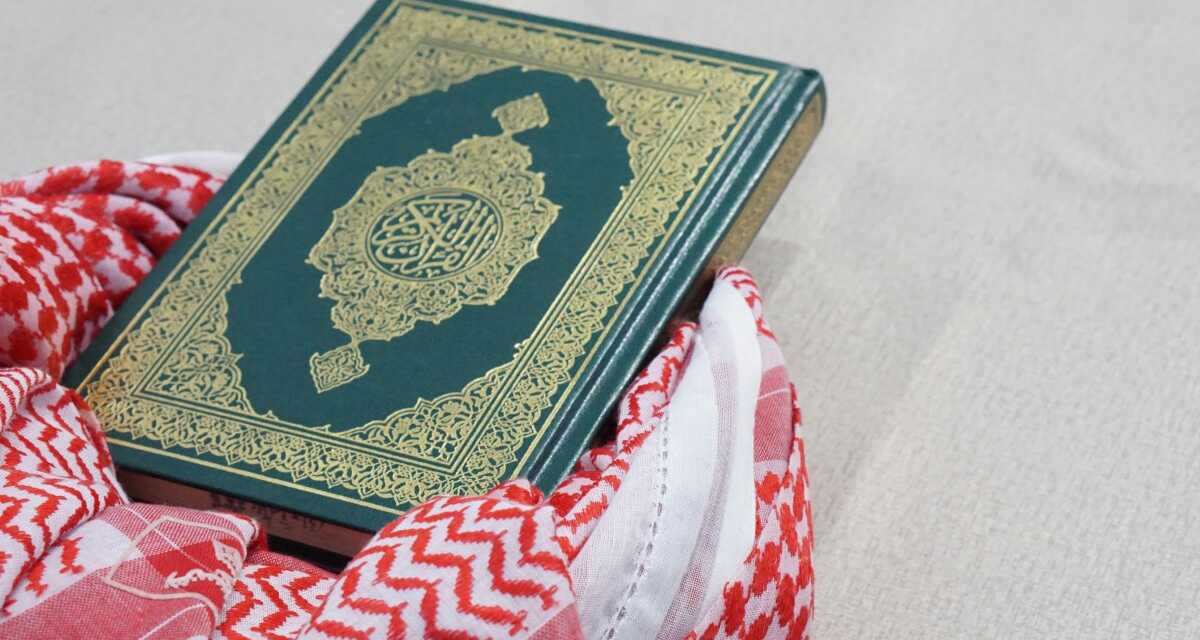
I am a young woman, twenty-four years old. I want to go for Hajj, but my relatives told me: You will inevitably fall into sin, such as going to wedding parties, where of course there is music and mixing between men and women.
Therefore, after coming back from Hajj, can I go to places where there is mixing between men and women? Is it permissible for me to go with my paternal uncle for Hajj?
Praise
be to Allah.
Firstly:
We would like to congratulate you for your
intention and decision to do Hajj, for at this young age, and in that
country that is far away, it is very rare to find anyone who thinks of
performing this great obligatory duty. Perhaps that is because they are
distracted by worldly concerns and eagerness to acquire wealth, and to
follow in the footsteps of the people of that disbelieving land. It is for
these reasons that Islam advises us not to live among them, and repeatedly
warns us against doing that. We ask Allah, may He be exalted, to enable you
and your family to live in a Muslim country.
Secondly:
You should understand that sins incur the
wrath of Allah, may He be exalted, and the one who does them is deserving of
punishment. It makes no difference whether those sins occur before or after
Hajj. Imam Ibn al-Qayyim wrote in his book al-Jawaab al-Kaafi li man
su’ila ‘an ad-Dawa’ ash-Shaafi about a number of the effects that sin
has on the one who does it. We have quoted that at length in the answer to
question no. 23425. Among the things he (may Allah
have mercy on him) said was that sin creates alienation between a person and
his Lord, and it is the cause of loss of barakah (blessing), a bad
end, things becoming difficult, and scarcity of provision.
By Allah’s grace towards this ummah, He
has ordained for it occasions of good, of which the Muslim may avail himself
to expiate his sins and increase his reward. So fasting the day of ‘Arafah
bring expiation for two years, fasting the day of ‘Ashoora’ brings expiation
for one year, and so on.
One of the greatest occasions of good and
opportunities for doing acts of worship and obedience is Hajj. It is
narrated in the saheeh Sunnah that “Whoever does Hajj and does not utter any
obscene speech or do any evil deed, will go back as his mother bore him.”
Narrated by al-Bukhaari (1683) and Muslim
(1349).
The wise Muslim takes advantage of such
opportunities, not in order to go back to committing sin again after that,
but in order to turn over a new leaf and reconcile with his Lord, may He be
blessed and exalted. If the Muslim understands that he no longer has any
sins on his record, he will give thanks to his Lord, may He be exalted, and
part of giving thanks is that he does not go back to doing that which incurs
His wrath. This does not mean that the one who does Hajj will never sin
again; rather what it means is that it is a characteristic of acts of
worship in general that they form a barrier to sin, by the grace of Allah.
Another of their characteristics, especially Hajj, is that they take away
from a person the consequences and shame of sin.
For that reason, the Prophet (blessings
and peace of Allah be upon him) said: “Make the Hajj and ‘Umrah follow each
other closely, for they remove poverty and sins as the bellows removes the
dross of iron, gold and silver, and an accepted Hajj brings no less a reward
than Paradise.”
Narrated and classed as saheeh by al-Tirmidhi
(810); al-Nasaa’i (2631). Classed as saheeh by Shaykh al-Albaani in al-Silsilah
al-Saheehah (2901).
This indicates that the Muslim may commit
sins before and after Hajj, for no one is infallible and immune from falling
into sin. But if he does Hajj and ‘umrah a great deal, his sins will be
expiated by these repeated actions.
We do not mean to say that a person has a
concession allowing him to sin after Hajj or before it – Allah forbid – not
at all. There is no concession whatsoever allowing anyone to disobey Allah.
Rather what we mean to say is that if every person who committed a sin
refused to go on pilgrimage to the House of Allah, no one would ever go on
pilgrimage to the House of Allah, and no one would ever perform the rituals
ordained by Allah.
The same would be true if everyone who was
afraid of sin refused to go on Hajj. Pilgrimage to the sacred House of Allah
would cease, for there is no believing slave who can guarantee that he will
never fall into sin at some point. The most that we can say is:
Allah has instructed His slaves to repent,
as He says (interpretation of the meaning): “And all of you beg Allah to
forgive you all, O believers, that you may be successful” [an-Noor 24:31].
Part of repenting properly is training
oneself not to go back to any of that sin, minor or major. If one is
overcome by one’s nafs and goes back to any of that sin, then he must hasten
to repent once more, and to do a lot of good deeds.
Falling into sin requires us to hasten to
do acts of worship and obedience, and to do a great deal of such acts at all
times and on all occasions, not to neglect a significant act of worship,
such as pilgrimage to the sacred House of Allah, for fear of falling into
sin once more. This is contrary to the nature of things.
Thirdly:
With regard to going with your paternal
uncle, yes it is permissible for you to go with your paternal uncle, because
he is one of your mahrams. If this is the obligatory Hajj, then going with
him is obligatory for you, not merely permissible.
So seek the help of Allah and hasten to do
Hajj, and strive hard to repent to Allah and express your need for Him to
protect you from sin and error.
And Allah knows best.


