
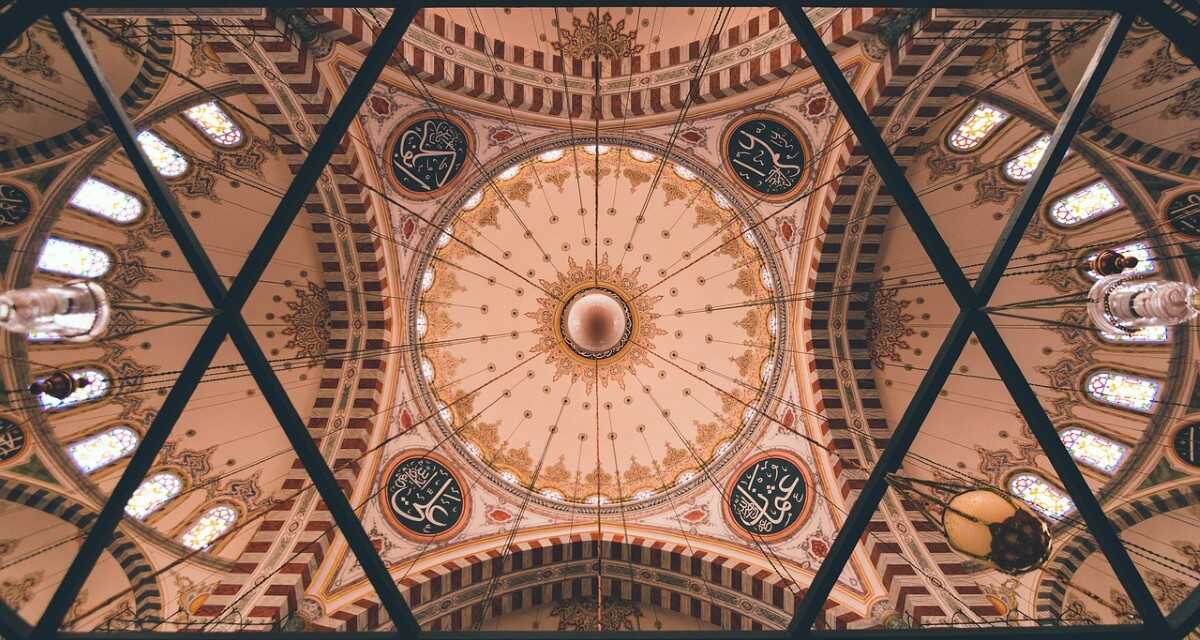
What is the virtue of the month of Muharram?
Praise
be to Allah.
Praise be to Allah, the Lord of the Worlds,
and blessings and peace be upon our Prophet Muhammad, the Seal of the
Prophets and Leader of the Messengers, and upon all his family and
companions. To proceed:
The month of Allah Muharram is a great and
blessed month. It is the first month of the Hijri year and is one of the
sacred months concerning which Allah says (interpretation of the meaning):
“Verily,
the number of months with Allah is twelve months (in a year), so was it
ordained by Allah on the Day when He created the heavens and the earth; of
them four are Sacred, (i.e. the 1st, the 7th, the 11th and the 12th months
of the Islamic calendar). That is the right religion, so wrong not
yourselves therein”
[Soorat at-Tawbah 9:36].
It was narrated from Abu Bakrah (may Allah
be pleased with him) from the Prophet (blessings and peace of Allah be upon
him): “… The year is twelve months, of which four are sacred: three
consecutive months, Dhu al-Qa‘dah, Dhu al-Hijjah and Muharram, and Rajab of
Mudar which comes between Jumaada and Sha‘baan.”
Narrated by al-Bukhaari (2958).
Muharram is so called because it is a sacred
(muharram) month; this further emphasizes its sanctity.
The words of Allah (interpretation of the
meaning): “so
wrong not yourselves therein” [Soorat
at-Tawbah 9:36] mean: (do not
wrong yourselves) in these sacred months, because doing so is a greater sin
than at other times.
It was narrated that Ibn ‘Abbaas said,
concerning the words of Allah “so
wrong not yourselves therein” [Soorat
at-Tawbah 9:36]: (The command not
to wrong yourself) applies in all months, then Allah singled out four months
and made them sacred, and emphasised their sanctity, and He made sin during
these months more grave, and He made righteous deeds and the reward thereof
greater. Qataadah said, concerning the words “so
wrong not yourselves therein”:
Wrongdoing during the sacred months is more serious and incurs a greater
burden of sin than in other months. Wrongdoing is a serious matter in any
circumstances, but Allah makes whatever He wills of His commands carry more
weight. And he said: Allah has chosen elites from His creation: from among
the angels He chose Messengers, from among mankind He chose Messengers, from
among speech He chose remembrance of Him (dhikr), from among spaces on earth
He chose the mosques, from among the months He chose Ramadan and the sacred
months, from among days He chose Friday (Jumu‘ah), and from among nights He
chose Laylat al-Qadr. So venerate that which has been chosen by Allah, for
people of understanding and wisdom respect that which has been chosen by
Allah.
End quote from Tafseer Ibn Katheer
(may Allah have mercy on him), commentary on Soorat at-Tawbah verse 36
The virtue of observing a great deal of
naafil (supererogatory) fasts during the month of Muharram
It was narrated that Abu Hurayrah (may Allah
be pleased with him) said: The Messenger of Allah (blessings and peace of
Allah be upon him) said: “The best fast after Ramadan is in the month of
Allah Muharram.”
Narrated by Muslim (1982).
The phrase “the month of Allah (shahr
Allah)” is indicative of the veneration this month deserves, as it is
attributed to Allah (in a genitive or idaafah phrase). Al-Qaari said: What
appears to be the case is that what is meant is the entire month of
Muharram.
But it is proven that the Prophet (blessings
and peace of Allah be upon him) never fasted any month in full apart from
Ramadan. So this hadeeth is to be understood as meaning that it is
encouraged to fast a great deal during the month of Muharram, not to fast
the entire month.
It is proven that the Prophet (blessings and
peace of Allah be upon him) fasted a great deal during Sha‘baan, and perhaps
the virtue of Muharram was not revealed to him until the end of his life,
before he was able to fast during this month.
Sharh an-Nawawi ‘ala Saheeh Muslim
Allah chooses whatever He wills of times
and places
Al-‘Izz ibn ‘Abd as-Salaam (may Allah have
mercy on him) said: Superiority of times and places is of two types, the
first of which is in worldly terms and the second is in religious or
spiritual terms because of what Allah bestows upon His slaves at those times
and in those places of a greater reward for deeds, such as the greater
virtue of fasting Ramadan over fasting in other months or on the day of
‘Ashoora’. Its virtue is due to Allah’s generosity and kindness to His
slaves during it.
Qawaa‘id al-Ahkaam
(1/38)
May Allah sent blessings upon our Prophet
Muhammad and upon all his family and companions.


